The Wonders of Amonit: Exploring Holistic Approaches in Naturopathy
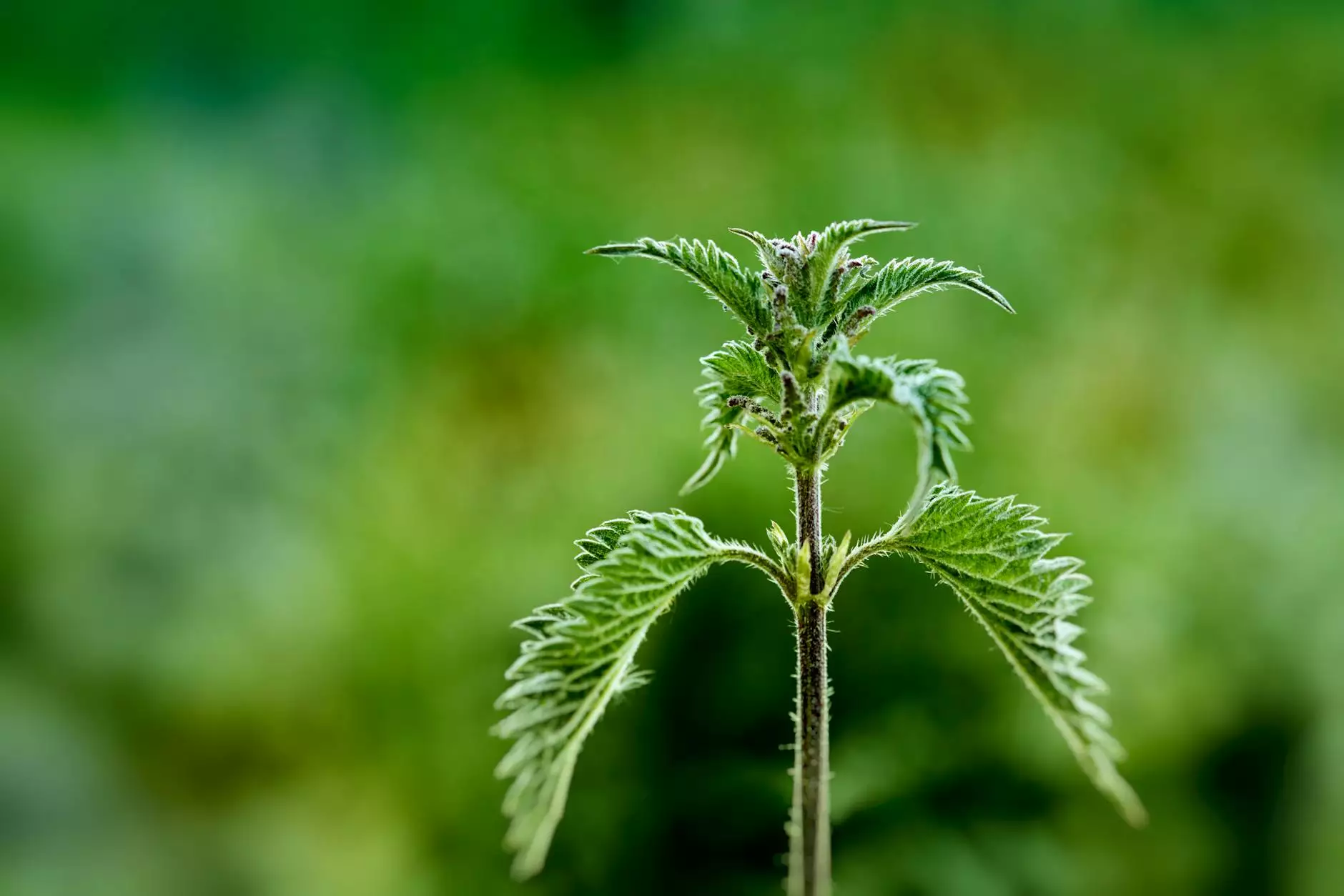
Amonit, often associated with the linguistic heritage of the ancient Ammonites, serves as a great metaphor for the key principles underlying naturopathic and holistic health approaches today. In this article, we will delve into how the Amonit culture reflects methods that align with our modern understanding of health and medicine, emphasizing an integrative perspective that elevates the human experience. This exploration aims to present an in-depth understanding of how ancient wisdom can inform contemporary practices in Naturopathic/Holistic medicine, Health & Medical fields, and Alternative Medicine.
I. Understanding Amonit and Its Cultural Significance
The heritage of the Amonit language is intrinsic to grasping the holistic principles it embodies. Historically, the Ammonites lived in what is modern-day Jordan, and their language represented not only a method of communication but also a reflection of their worldview—a worldview that recognized the intricate connections between spirit, body, and environment.
The language of Amonit is classified as a dialect of Northwest Semitic languages, closely related to Hebrew and Phoenician. By understanding the roots of this language, we gain insights into the holistic practices that emphasize harmony with nature, community, and healing methodologies. Just as the Ammonites understood their environment and adapted their ways to thrive, modern holistic health practices advocate for a similar, respectful relationship with our surroundings.
II. The Core Principles of Holistic Health
At the heart of holistic health lies the belief that all aspects of an individual's life must be considered to achieve optimal health. These aspects can be categorized into several core principles:
- Integration of Mind, Body, and Spirit: Just as Amonit represents a blend of cultural linguistic identity, holistic health approaches advocate for the interconnectedness of emotional, physical, and spiritual well-being.
- Natural Healing: Emphasizing natural remedies and treatments instead of pharmaceuticals, holistic practitioners follow the traditional values reflected in the Amonit culture of utilizing available resources.
- Patient-Centered Care: Holistic health prioritizes relationships between practitioners and patients, valuing a deep understanding of individual histories and needs.
- Preventative Practices: Drawing from ancient wisdom, naturopathy encourages individuals to maintain balance and prevent illness through lifestyle and dietary choices.
A. Integration of Mind, Body, and Spirit
In Amonit culture, communication with one another was not merely functional; it was a means to express emotions, rituals, and shared experiences. Similarly, holistic health emphasizes emotional intelligence and spiritual growth as vital components of overall health. This integrative style encourages practices such as mindfulness, meditation, and conscious living, which connect individuals to their inner selves and the world around them.
B. Natural Healing
Natural healing is a key aspect of naturopathic medicine. By using herbs, essential oils, and other natural resources, practitioners aim to support the body's innate ability to heal. This approach is admirably represented in the ancient Amonit practices surrounding health and wellness, illustrating how traditional communities thrived by sourcing remedies from their environments.
C. Patient-Centered Care
In the world of holistic health, the relationship between provider and patient is foundational. It echoes the ancient customs where community bonds were essential for survival and prosperity. Amonit’s interpretation fosters an environment where patients are treated as partners, actively participating in their healing journeys.
D. Preventative Practices
Central to holistic approaches is prevention. Just as the Ammonites understood the cycles of nature, such as seasons and harvests, modern practitioners stress the importance of maintaining a balanced lifestyle to avoid sickness. This philosophy encourages the practice of regular wellness check-ups, dietary awareness, and emotional health management.
III. Amonit Language and Natural Healing Practices
The Amonit language provides linguistic insight into ancient healing practices. Much like how the language captured the essence of the Ammonite people, modern alternative medicine seeks to articulate the comprehensive approach to health through various forms, including herbal medicine, acupuncture, and holistic therapies.
A. Herbal Medicine: The Legacy of Amonit
Historically, the Ammonites utilized a variety of plants and herbs for healing, as documented in ancient texts and remains. Today, herbal medicine stands as a testament to the surviving practices of integrating botanical resources into healthcare:
- Common Herbs: Many herbs used in Amonit healing practices are still popular today, including sage, thyme, and lavender.
- Modern Applications: These herbs are transformed into essential oils, extracts, and teas, providing accessible forms of alternative medicine.
- Holistic Remedies: Herbal formulations are typically tailored to individual needs, aligning with the patient-centered care model promoted in both Amonit and contemporary health practices.
B. Acupuncture: A Cultural Connection
Though not directly linked to the Amonit culture, acupuncture embodies the holistic healing philosophy that mirrors the ancient practices surrounding energy balance and flow. Influenced by the same understanding of the body as a whole system, acupuncture serves as a powerful tool for restoring health.
IV. Naturopathic Approaches: Uniting the Ancient and Modern
The principles of Amonit run parallel to those of modern naturopathy, which integrates the wisdom of the past with contemporary health challenges. Naturopathy advocates for natural, non-invasive treatments that promote the body's healing processes.
A. Dietary Practices
Cultural practices surrounding food have shifted dramatically, yet the core tenet of nourishing the body remains steadfast. Acknowledging the significance of diet in holistic health, the following are emphasized:
- Whole Foods: Encouraging organic, unprocessed foods supports overall health, echoing ancient practices focused on natural sustenance.
- Cultural Recipes: Communities have traditional dishes rich in nutrients, preserving cultural identity while promoting holistic health.
- Mindful Eating: The act of eating becomes a ritualistic practice, enhancing connection to food, much like how Amonit speakers would share meals as communal events.
B. Physical Activity and Lifestyle
Physical health is profoundly intertwined with mental and emotional well-being. Inspired by the practices of the Ammonite community, naturopathy encourages the incorporation of physical activities that resonate with personal joy and natural living:
- Nature Walks: Spending time outdoors has restorative effects on mental health.
- Traditional Movement Practices: Exploring yoga, tai chi, or other holistic exercises can bridge the gap between ancient practices and modern needs.
- Community Engagement: Building and participating in community activities nurtures not just physical health, but emotional support as well.
V. Conclusion: The Future of Amonit in Holistic and Naturopathic Medicine
The Amonit legacy continues to inspire holistic practices that resonate with our current societal needs. Embracing the ancient wisdom encapsulated in the language and culture, we can navigate the complexities of modern health challenges with comprehensive, respectful approaches found in naturopathic and alternative medicine.
As we explore the past, we not only recognize the profound lessons learned from ancient civilizations like the Ammonites but also appreciate the potential for those teachings to inform our current understanding of health and well-being. By integrating these time-honored practices, we can enhance our lifestyles and promote sustainable, holistic health for future generations. Together, let us honor the spirit of Amonit in nurturing our physical, emotional, and spiritual well-being.