Understanding Injection for Horse Care
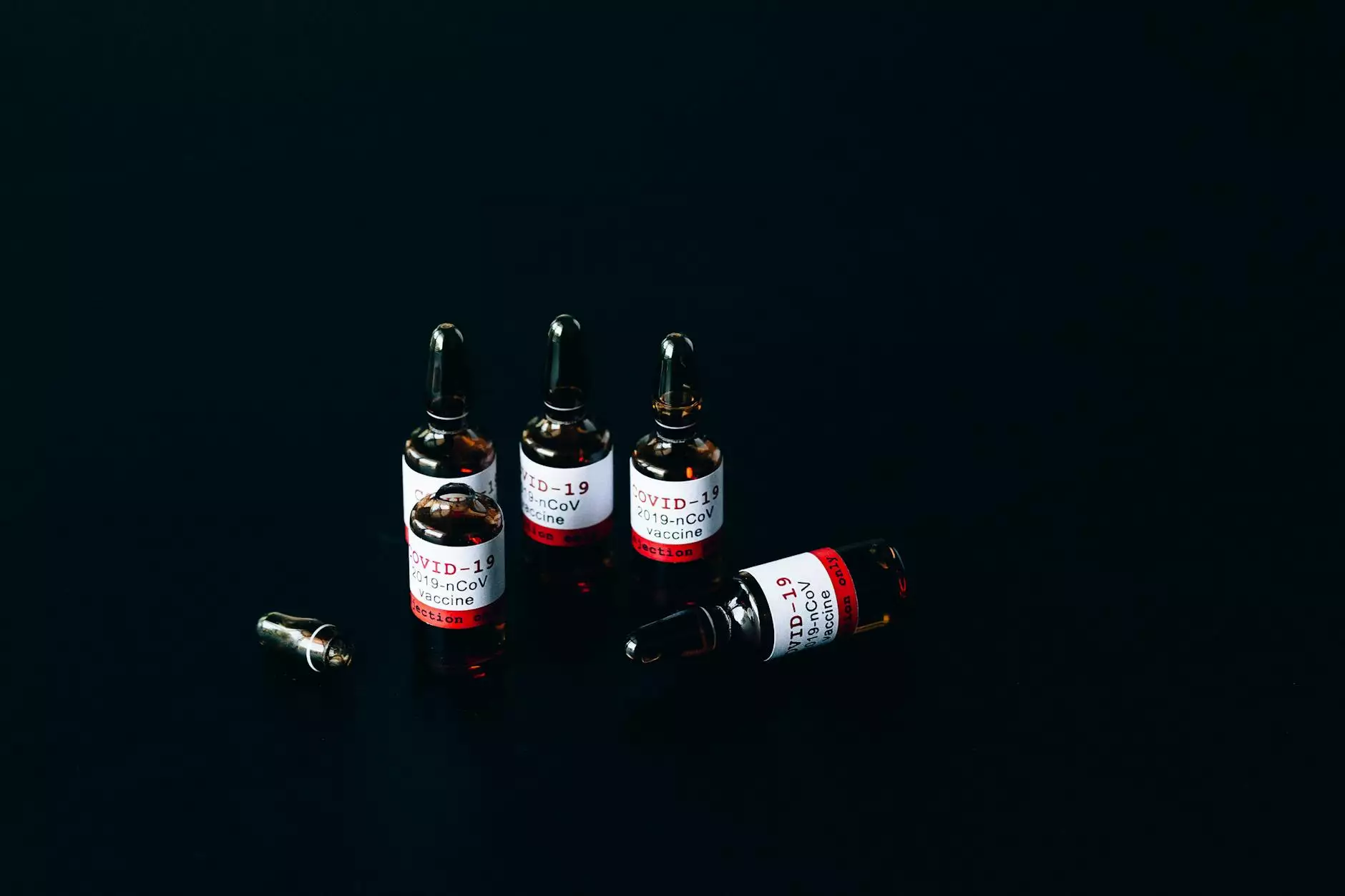
The world of equine health is intricate and vital for both casual horse owners and professional trainers. Injections for horses often play a critical role in maintaining optimal health and ensuring peak performance. This guide will delve into the various aspects of injections for horses, outlining their benefits, types, administration methods, and aftercare practices, providing an invaluable resource for anyone involved in horse care.
The Importance of Injections in Equine Health
Injecting medication is a common practice in the horse industry for several reasons:
- Direct Delivery: Injections allow for medication to enter the bloodstream quickly, providing rapid relief and therapeutic action.
- Precise Dosage: They enable precise control over the dosage administered, which is crucial for effective treatment without overdosing.
- Efficient for Certain Medications: Some medications cannot be administered orally due to their nature or instability.
- Preventive Care: Vaccinations, often administered via injection, are essential for preventing disease in horses, safeguarding their health and longevity.
Types of Injections Used for Horses
Various types of injections are used in equine medicine, each serving distinct purposes:
1. Intramuscular Injections
Administered into the muscle, intramuscular injections are widely used for vaccines, antibiotics, and other medications. Common sites include:
- The neck (preferred)
- The hindquarters
- The shoulder
2. Intravenous Injections
These injections deliver medications directly into the bloodstream. They are often used in emergency situations or where rapid effect is necessary. The jugular vein is the most common site.
3. Subcutaneous Injections
In this method, the medication is injected into the tissue layer between the skin and the muscle. It’s commonly used for vaccinations and certain medications that require slow absorption.
When to Use Injections for Horses
Understanding when to use injections can help improve your horse's health and performance. Here are key scenarios:
- Vaccination: To protect against common equine diseases.
- Treatment of Infections: Antibiotics or anti-inflammatories are administered to combat infections or inflammation.
- Hormonal Treatments: Hormonal injections may regulate reproductive cycles or manage certain health conditions.
- Pain Management: Injections such as corticosteroids can help alleviate pain from injuries or arthritis.
Best Practices for Administering Injections
Administering injections can be intimidating; however, following best practices can ensure safety and efficacy:
- Preparation: Gather all necessary supplies, including the medication, syringe, and alcohol wipes.
- Restraint: Properly restrain the horse to ensure safety. This can involve using a halter or, in some cases, sedatives under veterinary guidance.
- Site Selection: Choose the proper injection site based on the type of injection being administered.
- Technique: Use a quick and smooth motion to insert the needle at the correct angle (usually 90 degrees for IM, 45 degrees for SC).
- Aspirate: Pull back the plunger slightly to check for blood. If blood is present, choose a different site.
- Administer Medication: Slowly inject the medication while ensuring the horse remains calm.
- Aftercare: Apply gentle pressure to the site with a cotton ball to prevent bleeding.
Aftercare Following Horse Injections
Post-injection care is essential for the horse’s recovery:
- Monitor the Injection Site: Check for swelling, heat, or pain as signs of infection.
- Maintain a Clean Environment: Ensure that the horse’s living area is clean to prevent infection.
- Watch for Reactions: Be vigilant for any adverse reactions that may occur following an injection, such as allergic responses or colic.
Choosing the Right Injection for Your Horse
Choosing the appropriate injection requires understanding your horse’s specific needs. It is vital to consult with a veterinarian who can recommend the best course of action based on factors like:
- Age
- Health status
- Activity level
- Environmental conditions
The Role of a Veterinarian in Horse Injections
Veterinarian guidance is crucial, not only for education on which injections to use but also for proper administration techniques. Veterinary professionals can:
- Provide tailored vaccination schedules.
- Evaluate horses for underlying conditions that may require injections.
- Ensure that injections are administered safely and effectively.
- Educate owners on post-injection care.
Innovations in Equine Injection Practices
As with all fields of medicine, injection practices in equine care are evolving. Recent innovations include:
- Long-acting formulations: These formulations extend the duration of effect for medications, reducing the frequency of injections.
- Microneedle technology: This approach reduces pain and discomfort for horses receiving vaccinations.
- Telemedicine consultations: Increasingly popular, allowing veterinarians to provide guidance even from remote locations.
Conclusion
Injections play a significant role in horse health, providing effective, direct delivery of necessary medications and vaccinations. Understanding the types and best practices for administering injections for horses is essential for every horse owner and caregiver. As the landscape of veterinary medicine continues to evolve, staying informed about new techniques and innovations is vital for maintaining the health and performance of these magnificent animals.
For more detailed information and resources concerning horse injections and equine care, you can explore our offerings at racehorsemedcare.com.
injection for horse