Comprehensive Guide to Lawn and Garden Maintenance
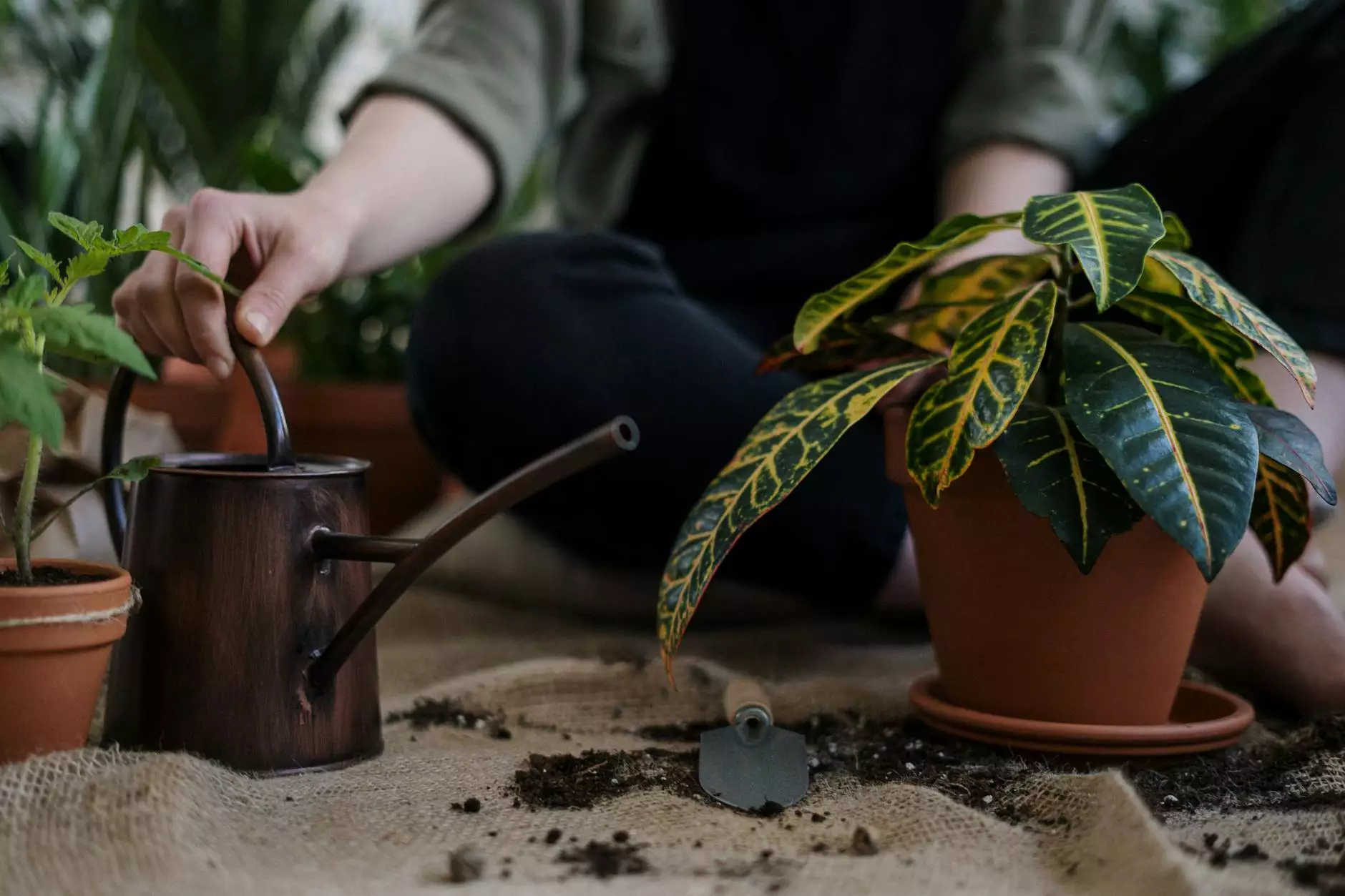
In today’s world, maintaining a beautiful garden and a lush lawn is more than just an aesthetic desire; it's a lifestyle choice that impacts the overall look and feel of your home. With proper lawn and garden maintenance, you can ensure that your outdoor space thrives throughout the seasons. This article will provide in-depth insights into the various aspects of caring for your lawn and garden, with practical tips that will help you achieve an enviable landscape.
Understanding the Importance of Lawn and Garden Maintenance
Lawn and garden maintenance is crucial for numerous reasons:
- Enhances Curb Appeal: A well-maintained lawn and garden dramatically improve the appearance of your property, making it more inviting for guests and prospective buyers.
- Increases Property Value: Regular maintenance not only keeps your property looking great but also can increase its market value.
- Promotes Environmental Health: Healthy lawns and gardens contribute to better air quality, support biodiversity, and reduce urban heat.
- Provides Outdoor Enjoyment: A beautiful outdoor space enhances your ability to unwind and enjoy nature.
The Essential Elements of Lawn Maintenance
To achieve a lush lawn, it's essential to focus on several key components of lawn maintenance:
1. Mowing
Mowing is one of the most critical aspects of lawn care. Regular mowing encourages growth and keeps your lawn looking uniform. Here are some tips:
- Frequency: Mow frequently enough to keep the grass at the recommended height for your specific grass type, usually around 2.5 to 4 inches.
- Sharp Blades: Ensure your mower blades are sharp to avoid tearing the grass.
- Grass Cycling: Leave grass clippings on the lawn as they can provide nutrients back to the soil.
2. Fertilization
Fertilization is vital to provide the necessary nutrients that lawns need to grow. Consider these points:
- Type of Fertilizer: Use a balanced fertilizer that includes nitrogen, phosphorus, and potassium.
- Application Timing: Apply fertilizer in the spring and fall for cool-season grasses. Warm-season grasses should be fertilized during their growing season.
- Testing Soil: Consider conducting a soil test to understand the nutrient needs of your lawn better.
3. Watering
Proper watering techniques will ensure your lawn remains healthy, particularly during hot months:
- Frequency: Water deeply and infrequently, about once a week, to encourage deep root growth.
- Time of Day: Water early in the morning to minimize evaporation.
- Check for Moisture: Use a moisture meter or dig a small hole to check if the soil is moist before watering again.
Comprehensive Guide to Garden Maintenance
Garden maintenance encompasses a broader range of activities than lawn care. Here are the key elements to keep in mind for effective garden maintenance:
1. Pruning and Trimming
Pruning and trimming can make a significant difference in the health and appearance of your garden:
- Time of Year: Prune trees and shrubs when they are dormant, typically in late winter or early spring.
- Tool Maintenance: Use sharp and clean tools to make clean cuts that reduce the risk of disease.
- Encouraging Growth: Regular pruning encourages new growth, enhances flowering, and maintains the desired shape.
2. Weed Control
Weeds can compete for water and nutrients, so controlling them is essential:
- Mulching: Use organic mulch to suppress weeds and retain soil moisture.
- Hand Pulling: Regularly check for and hand-pull visible weeds before they can seed.
- Herbicides: Consider using herbicides carefully, following instructions to avoid harming desirable plants.
3. Pest and Disease Management
Monitoring for pests and diseases can help you keep your garden healthy:
- Regular Inspections: Inspect plants regularly for signs of pests or disease.
- Integrated Pest Management: Utilize natural predators and organic treatments before resorting to chemical pesticides.
- Healthy Plants: Healthy plants are more resilient to pests and diseases, so proper maintenance is crucial.
Seasonal Lawn and Garden Care Tips
Understanding the seasonal needs of your lawn and garden can further enhance your maintenance routine:
Spring Care
- Clear debris and prepare beds for planting.
- Test soil and apply fertilizer as needed.
- Reseed and oversee your lawn for thicker growth.
Summer Care
- Monitor moisture levels and adjust watering schedules.
- Continue with pest and weed control.
- Deadhead flowers to encourage more blooms.
Fall Care
- Start prepping your lawn for winter; consider aeration.
- Plant bulbs for spring blooms.
- Mulch garden beds to protect plants during winter.
Winter Care
- Trim back perennials and remove dead plants.
- Keep paths clear of snow to prevent damage to plants.
- Plan your garden for the coming spring; consider what to plant and where.
Hiring Professional Lawn and Garden Maintenance Services
While DIY lawn and garden maintenance can be fulfilling, there are benefits to hiring professionals like Ciscon Landscaping:
- Expert Knowledge: Professionals bring expertise and knowledge that can save you time and ensure high-quality results.
- Advanced Tools: They have access to specialized tools and equipment that may be cost-prohibitive for homeowners.
- Consistent Care: Regular professional maintenance ensures consistent care that suits seasonal needs.
Conclusion
Lawn and garden maintenance is an investment in your home and well-being. By understanding the essential elements of care, you can create a beautiful and thriving outdoor space. Whether you choose to maintain your garden yourself or hire professionals, the effort you put into your lawn and garden maintenance will pay off in the form of a vibrant, enjoyable, and valuable property. For expert assistance, consider consulting with a professional service like Ciscon Landscaping to help you achieve your landscape goals.