Mastering Air Freight with Air France - Your Comprehensive Freight Tracker Guide
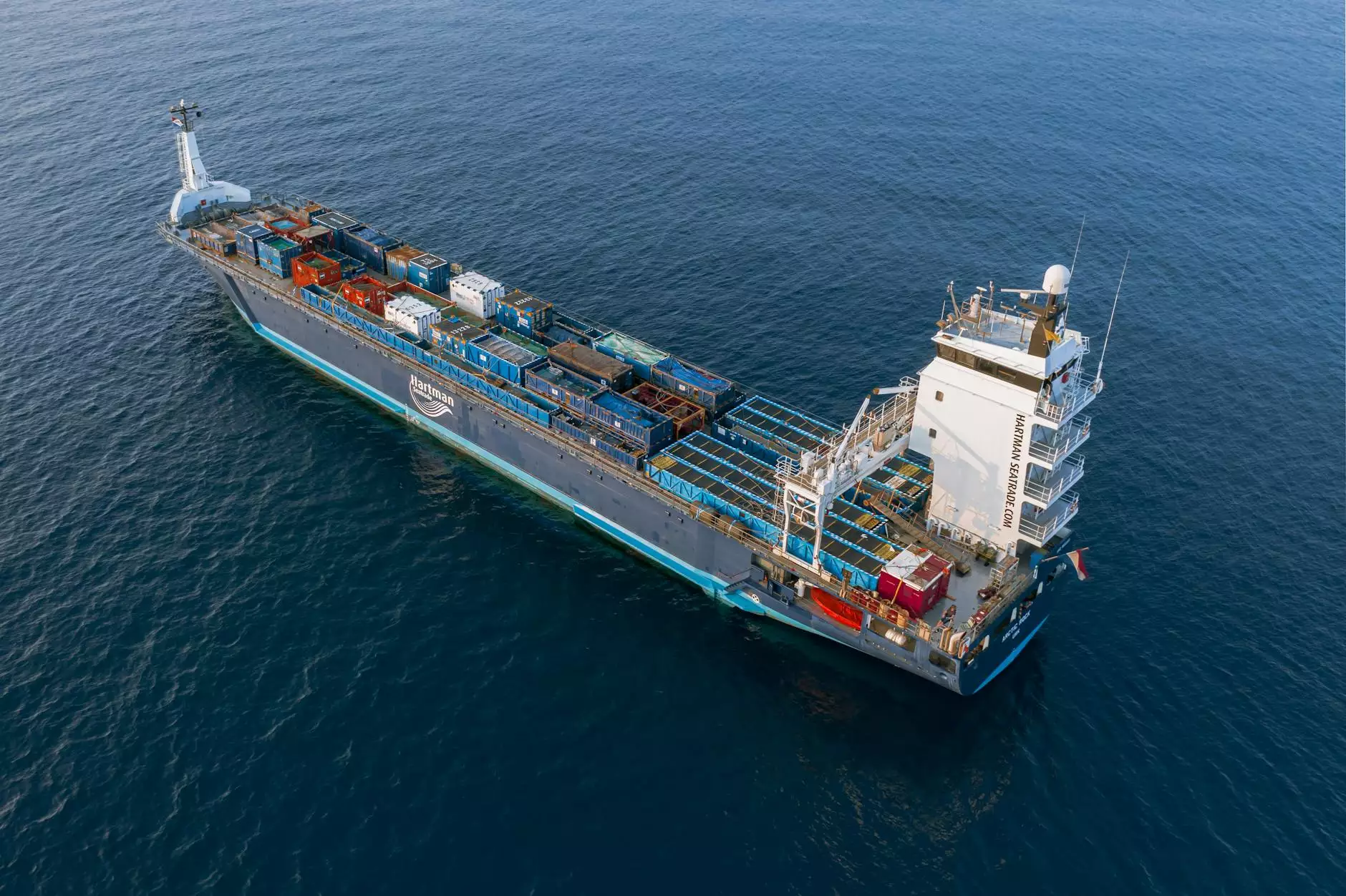
In today’s fast-paced global economy, efficient shipping and logistics are paramount for businesses aiming to thrive. Air freight has emerged as a crucial component of international trade, enabling rapid movement of goods across vast distances. Companies like Air France play a pivotal role in this ecosystem, providing reliable freight services that businesses depend on. This article will delve deep into how to leverage the Air France freight tracker, ensuring your shipments are monitored effectively, along with insights into shipping centers, transportation, and airports crucial for this logistics operation.
The Importance of Air Freight in Global Trade
Air freight is a fast and efficient way to transport goods. Understanding its significance can help businesses streamline their operations and improve supply chain management. Some core benefits include:
- Speed: Air freight is the fastest shipping option, ideal for businesses requiring timely delivery of goods.
- Reliability: With scheduled flights, air freight offers more predictable delivery times compared to other modes of transportation.
- Global Reach: Air cargo can connect businesses to international markets, facilitating global trade.
- Security: Air freight services often have strict regulations and security measures in place, ensuring that valuable products are transported safely.
How to Track Your Shipments with Air France
Staying updated about your shipments is essential for maintaining a smooth operational flow. This is where the Air France freight tracker comes into play. Tracking your shipment helps you monitor its journey, from departure to arrival, and manage any potential delays efficiently.
Using the Air France Freight Tracker
To make the most of the Air France freight tracker, follow these steps:
- Access the Tracker: Visit the Air France cargo website and locate the freight tracking section.
- Enter Your Details: Input your unique tracking number associated with your shipment.
- Track Progress: View real-time updates about your shipment’s location and estimated arrival time.
- Contact Support: If you encounter issues, Air France provides customer support to assist you in resolving tracking queries.
Shipping Centers: The Hub of Air Freight Operations
Shipping centers are critical nodes in any logistical operation. Understanding their role is vital for businesses involved in air transportation. Air France’s network of shipping centers facilitates seamless operations that ensure your cargo moves efficiently through various checkpoints.
Key Shipping Centers of Air France
- Charles de Gaulle Airport (CDG): As the largest airport in France, CDG is a primary hub for Air France’s cargo operations, offering extensive connections
- Nice Côte d'Azur Airport (NCE): Known for handling passenger and cargo flights, NCE plays a pivotal role in Mediterranean shipping.
- Lyon-Saint Exupéry Airport (LYS): This airport supports freight movement to Eastern France and across Europe.
Enhancing Efficiency through Shipping Centers
Air France’s shipping centers employ a comprehensive logistics model to enhance efficiency. They utilize:
- Advanced Technology: Automated tracking systems allow for real-time updates on shipment locations.
- Data Analytics: Predictive analytics enhance decision-making for logistics, allowing businesses to react quickly to market changes.
- Customer-Centric Approach: Dedicated customer service ensures that businesses can resolve any issues promptly.
Transportation Modalities: The Backbone of Logistics
In air freight, transportation involves more than just loading cargo onto planes. It encompasses a strategic approach that integrates various transport modes to ensure goods reach their destinations on time. Here’s how transportation plays a pivotal role in air freight:
Multi-Modal Transportation Systems
Combining different modes of transportation—air, ground, and sea—can optimize logistics pathways. Here are some ways transportation enhances air freight:
- Last-Mile Delivery: Efficient ground transport connects airports to final destinations, crucial for timely delivery.
- Intermodal Solutions: Utilizing road and rail services in conjunction with air freight can reduce costs and improve transit times.
- Customs Clearance: Dedicated transportation teams work on customs documentation, facilitating quicker processing at borders.
Airports: The Lifeblood of Air Cargo Transport
Airports are not just transit points; they are vital infrastructures that facilitate global trade through air freight. Understanding their operation and significance is essential for any business relying on air transport.
Key Airport Features Beneficial for Freight
Different airports have varying capabilities and specialties that make them suitable for air cargo services:
- Dedicated Cargo Terminals: Many major airports feature terminals specifically designed for freight operations, ensuring expedited handling.
- Accessibility: Proximity to major highways and rail networks facilitates efficient transport to and from the airport.
- 24/7 Operations: Many airports operate round-the-clock, allowing for flexible scheduling for businesses.
Best Practices for Using Air France Freight Tracker
To maximize the benefits of the Air France freight tracker, businesses should adopt several best practices:
- Regular Updates: Schedule regular checks on your shipment's progress using the tracker.
- Communicate with Your Supply Chain: Share tracking information with relevant stakeholders to ensure everyone is informed about shipment status.
- Prepare for Variability: Air freight logistics can be impacted by various factors, including weather and traffic. Always have contingency plans in place.
- Utilize Customer Service: Don’t hesitate to reach out to Air France’s customer service for any discrepancies or concerns regarding tracking.
Future Trends in Air Freight and Tracking Technology
The air freight industry is continuously evolving, driven by technological advancements and changing market demands. Keeping an eye on future trends can provide companies with a competitive edge.
Emerging Technologies in Freight Tracking
- Blockchain Technology: Enhances transparency and security in supply chain transactions, ensuring data integrity.
- Advanced AI Algorithms: Leveraging AI for predictive analysis in shipping and logistics can improve operational efficiency.
- IoT Devices: Internet of Things devices can provide real-time monitoring of shipments, boosting visibility and control over cargo conditions.
Conclusion: Maximizing Your Air Freight Experience with Air France
In conclusion, leveraging the Air France freight tracker is essential for modern businesses that rely on air freight as a key element of their logistics strategy. By understanding the integral roles of shipping centers, transportation, and airport systems, along with adopting best practices in tracking and monitoring shipments, companies can significantly enhance their operational efficiencies. As the air freight landscape continues to evolve, staying informed about trends and advancements will be crucial in maintaining a competitive advantage. Embrace these resources, streamline your freight processes, and watch your business soar to new heights with Air France.