CT Scan for Lung Cancer: A Comprehensive Guide
Lung cancer remains one of the most challenging health issues globally, with millions diagnosed each year. One of the key tools in the fight against lung cancer is the CT scan (Computed Tomography scan). This article delves into the critical role of CT scans in diagnosing lung cancer, their effectiveness, benefits, and how they integrate with other medical processes.
What is a CT Scan?
A CT scan is an imaging procedure that uses a combination of X-rays and computer technology to produce cross-sectional images of the body. Unlike traditional X-rays, which only provide a flat view, CT scans offer detailed, three-dimensional images that allow healthcare professionals to see various structures within the body, including the lungs.
How CT Scans Work
The process involves the following steps:
- Preparation: Patients may be asked to avoid food or beverages for a few hours before the scan.
- Contrast Material: Depending on the situation, a contrast dye may be administered to enhance the visibility of specific areas.
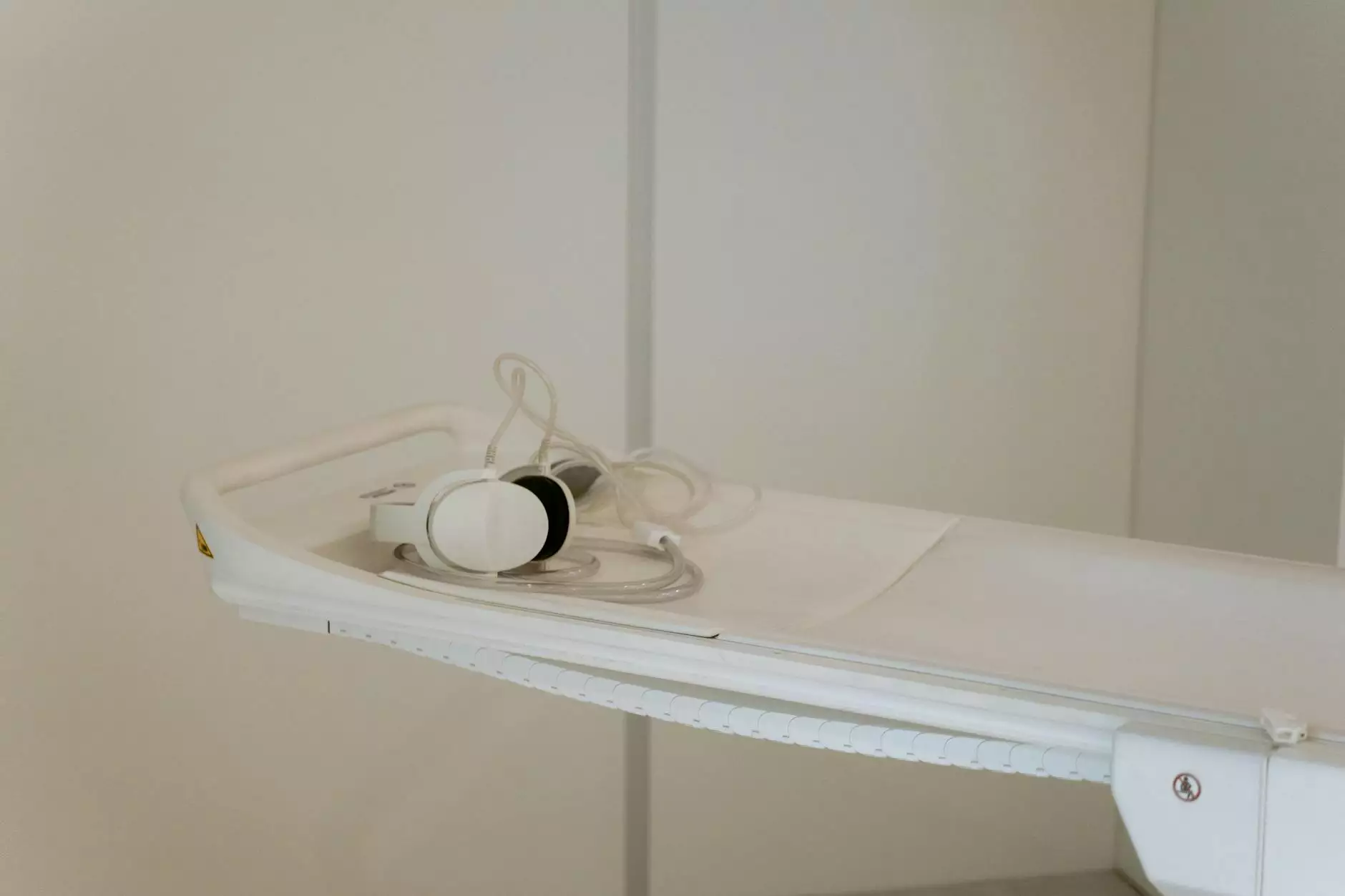
- Scanning: The patient lies on a table that moves through the CT scanner. Multiple X-ray images are taken from different angles.
- Image Reconstruction: A computer processes these images, creating a detailed cross-sectional view of the lungs.
Why Are CT Scans Important in Lung Cancer Diagnosis?
Early detection is crucial in lung cancer treatment, significantly impacting survival rates. CT scans are pivotal in this regard for several reasons:
1. High Sensitivity
CT scans are highly sensitive and can detect small nodules or tumors in the lungs that might be missed by standard X-rays. Early identification is vital for successful treatment options.
2. Accurate Assessment of Tumor Size and Location
CT imaging provides precise information regarding the size, shape, and precise location of lung tumors, which is essential in formulating an effective treatment plan.
3. Staging of Cancer
Staging is critical to understanding the extent of cancer. CT scans help determine whether the cancer has spread to nearby lymph nodes or other organs. This information is vital in planning surgical or medical therapies.
4. Monitoring Treatment
After treatment begins, CT scans are often utilized to monitor the effectiveness, helping doctors make necessary adjustments based on tumor response.
Benefits of Using CT Scans for Lung Cancer
CT scans offer numerous benefits that make them a preferred choice in lung cancer diagnostics:
- Non-Invasive: CT scans are non-invasive and generally painless.
- Quick Results: CT scans can be completed quickly, with results available within a short timeframe.
- Comprehensive Imaging: They provide a detailed view of the lungs, aiding in comprehensive assessments.
- Guidance for Biopsy: CT scans can help guide biopsies, ensuring that samples are taken from the right location.
Risks and Considerations
While CT scans are incredibly valuable, there are some risks and considerations to keep in mind:
Radiation Exposure
CT scans involve exposure to ionizing radiation, which carries a slight risk of inducing cancer in the long term. However, the benefits of accurate diagnosis and treatment often outweigh these risks.
Allergic Reactions to Contrast Material
Some patients may experience allergic reactions to the contrast dye used in CT scans, though severe reactions are rare. Inform your healthcare provider about any known allergies.
Follow-Up and Screening Recommendations
Depending on your risk factors, your healthcare provider may recommend regular screening with CT scans, particularly for individuals at high risk, such as heavy smokers or those with a family history of lung cancer.
CT Scans in the Broader Context of Lung Cancer Management
CT scans are just one component of a comprehensive approach to lung cancer management. They are often used in conjunction with other diagnostic tools and interventions, including:
1. Bronchoscopy
A bronchoscopy involves using a thin tube with a camera to view the airways and collect tissue samples. It can provide additional information when combined with CT scan results.
2. PET Scans
Positron Emission Tomography (PET) scans can be used alongside CT scans to evaluate metabolic activity of lung tumors, aiding in staging and treatment planning.
3. Lung Function Tests
Assessing lung function is essential before any treatment. These tests measure how well the lungs are working and can inform decisions regarding surgical options.
Conclusion
In summary, CT scans for lung cancer play a vital role in the early detection, accurate diagnosis, and ongoing management of this serious disease. The ability to visualize lung structures in detail enhances the healthcare team's ability to provide tailored and effective treatment plans. If you or someone you know is at risk for lung cancer, consult with your healthcare provider about the appropriateness of a CT scan as part of a broader health strategy.
At HelloPhysio, we are dedicated to providing comprehensive health and medical guidance, including insights into the diagnostics and treatment of lung cancer. Whether you are seeking information on physical therapy post-diagnosis or exploring options within sports medicine, our team is here to support your health journey.
ct scan for lung cancer