Choosing the Right Firewood: A Comprehensive Guide for Your Needs
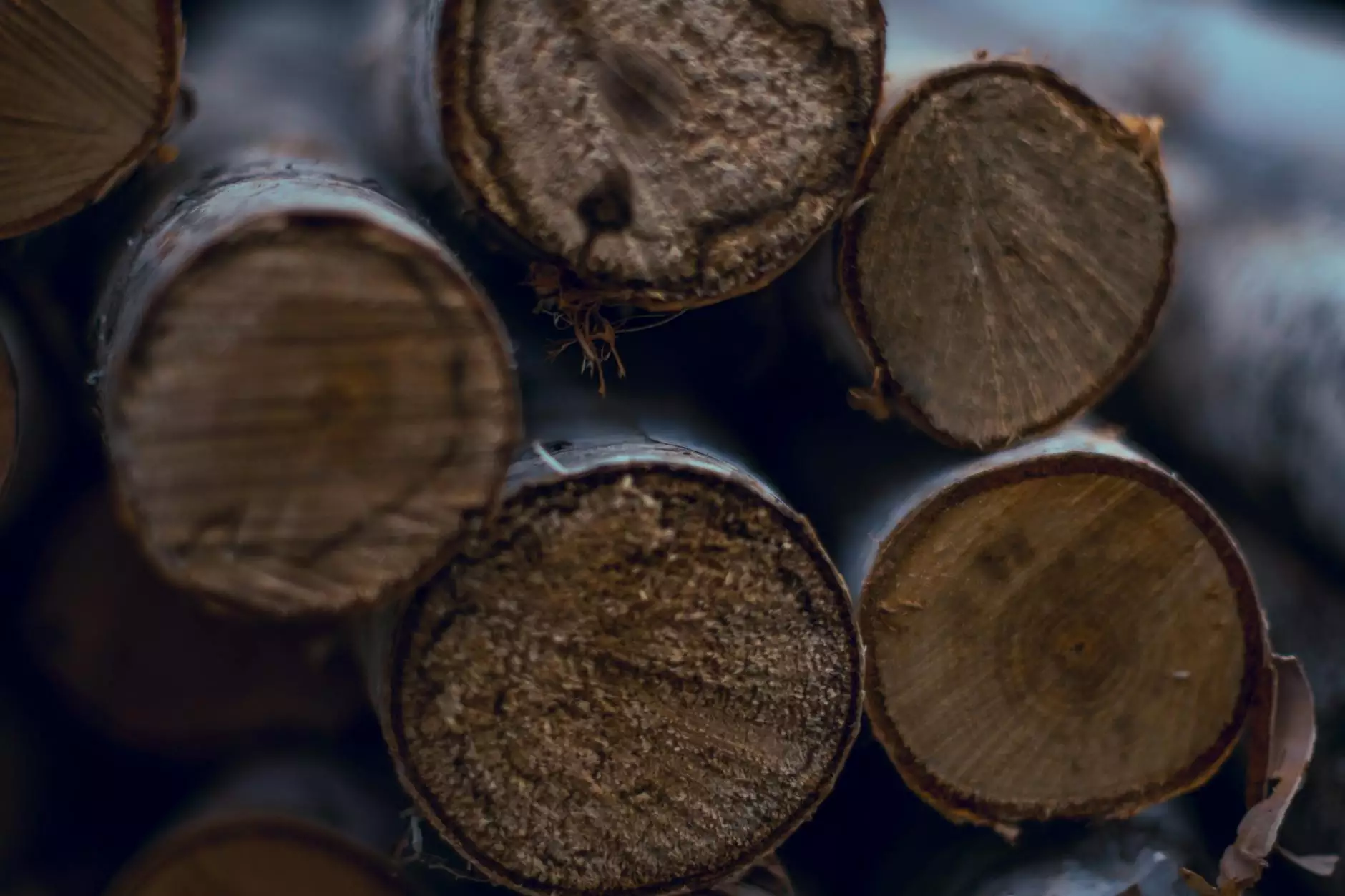
When it comes to enjoying a cozy evening by the fire, the type of firewood you choose is crucial. Not only does it affect the ambiance and heat output, but it also impacts the health of your fireplace and the environment. In this article, we will explore various types of firewood, the benefits they offer, and tips on how to choose the best one for your needs. If you’re looking to educate yourself on firewood, look no further than https://wood-trans.com/.
The Importance of Selecting Quality Firewood
Using the right firewood can significantly enhance your overall experience. Let’s dive into why selecting quality firewood is essential:
- Heat Output: Different types of wood burn at different temperatures. Hardwoods generally provide more heat than softwoods.
- Burn Time: Quality firewood will burn longer, providing extended warmth and fewer interruptions to add more logs.
- Smoke Production: The right firewood minimizes smoke, which is better for your health and reduces creosote buildup in the chimney.
- Environmental Impact: Choosing sustainably sourced firewood helps in conserving forests and maintaining biodiversity.
Types of Firewood: What to Choose?
Firewood can be broadly categorized into two types: hardwoods and softwoods. Each has its unique characteristics and uses:
Hardwoods
Hardwoods come from deciduous trees and are known for their density and high heat output. Common hardwoods include:
- Oak: Renowned for its strength and long burn time, oak is an excellent choice for heating.
- Maple: Offers a clean burn with great heat output and a pleasant aroma.
- Hickory: Extremely dense, hickory provides exceptional heat and imparts a distinct flavor, making it a favorite for cooking.
- Cherry: This wood not only burns well but also leaves a sweet aroma, perfect for a cozy atmosphere.
Softwoods
Softwoods, on the other hand, come from coniferous trees. They ignite quickly and burn faster than hardwoods, making them ideal for kindling. Popular softwoods include:
- Pine: Known for its high sap content, pine burns quickly and offers a sweet-smelling smoke.
- Fir: Fir wood lights easily and burns evenly, making it a common choice for quick fires.
- Spruce: Offers good heat output but tends to produce more smoke than other softwoods.
How to Properly Season Firewood
Seasoning your firewood is crucial for optimal burning conditions. Properly seasoned wood is usually dried for at least six months and has lower moisture content. Here’s how to ensure your firewood is well-seasoned:
- Stack Wood Correctly: Stack your firewood in a manner that allows airflow. Use a wood rack if possible.
- Cover the Top: Protect the top of your stack from rain and snow while leaving the sides exposed for air circulation.
- Check Moisture Levels: Use a moisture meter to ensure that the wood has a moisture content of less than 20% before burning.
Firewood Storage Tips
Storing your firewood properly is essential for maintaining its quality. Here are some effective storage tips:
- Elevate Your Stack: Store firewood off the ground to prevent moisture absorption.
- Choose a Dry Location: Find a dry, well-ventilated area to store your wood away from direct exposure to rain and snow.
- Avoid Damp Areas: Stay away from damp basements or enclosed spaces that can trap moisture.
Environmental Considerations
By choosing sustainably sourced firewood, you can contribute to environmental conservation. Here’s how you can reduce your ecological footprint:
- Buy Local: Purchasing wood from local suppliers reduces transportation emissions and supports local economies.
- Choose Certified Suppliers: Look for suppliers who are certified to source firewood sustainably.
- Cull Invasive Species: Use species like catalpa or American elm that are invasive in certain areas, helping to maintain the balance of local ecosystems.
Conclusion: Making the Right Choice
In conclusion, selecting the right firewood is a crucial decision that affects your heating efficiency, environmental impact, and overall enjoyment. By understanding the differences between hardwoods and softwoods, properly seasoning and storing your firewood, and choosing sustainably, you can enhance your fire experience while being mindful of your ecological footprint. For more in-depth insights and quality firewood options, visit https://wood-trans.com/, your go-to resource for everything firewood-related.
Remember: Quality firewood not only contributes to a better flame but also supports a sustainable future. Make informed choices for your firewood needs today!