Enhancing Business Success with Ultraviolet Ink Printing
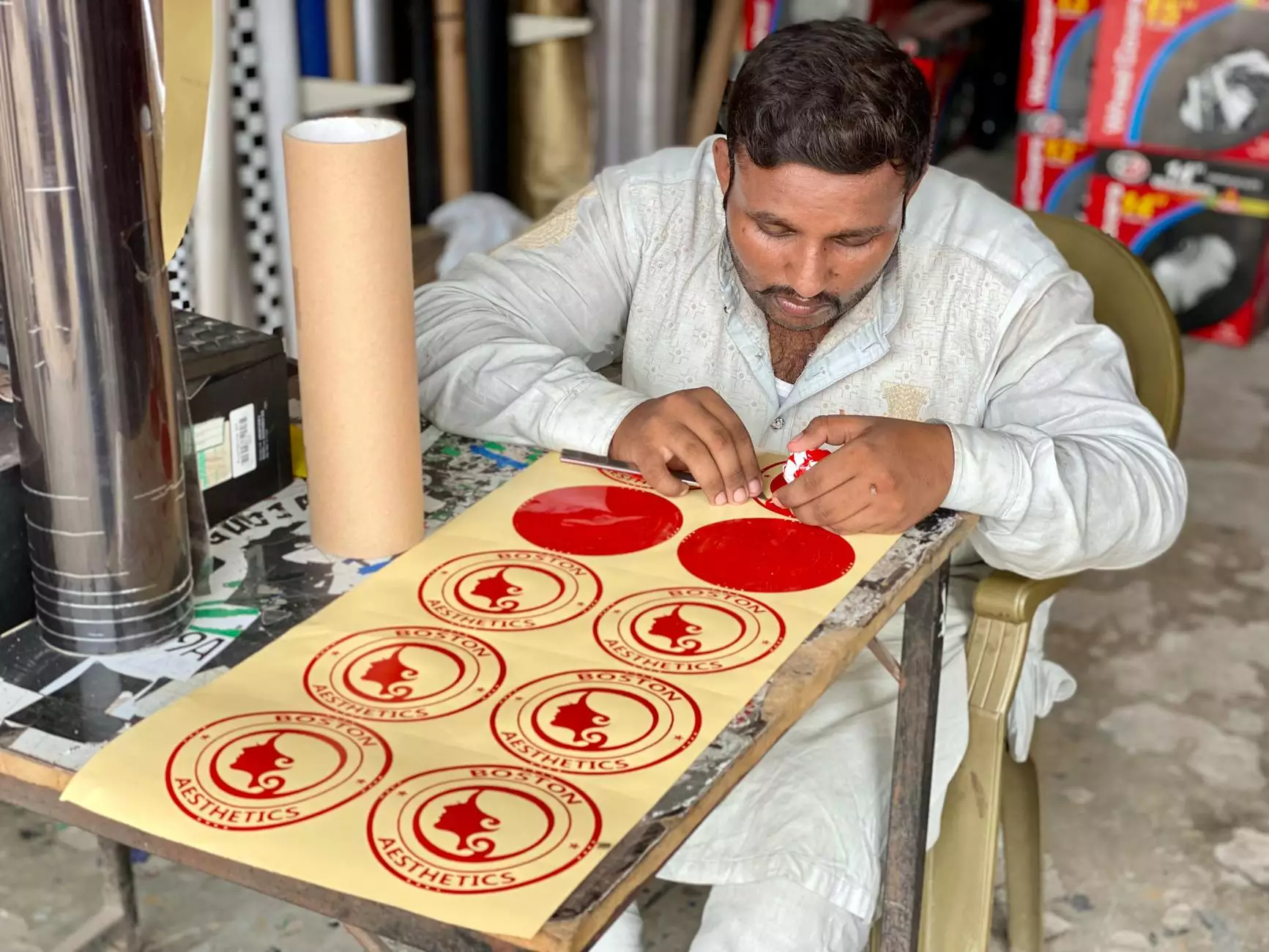
In today's competitive market, businesses are constantly seeking innovative solutions to capture customer attention and accelerate growth. Among the various technologies available, ultraviolet ink printing is emerging as a leading choice for modern printing needs. This article explores the advantages, applications, and transformative power of this advanced printing method.
Understanding Ultraviolet Ink Printing
Ultraviolet ink printing is a revolutionary printing technology that utilizes ultraviolet light to cure or dry the ink as it is printed. The UV light instantly solidifies the ink, allowing for faster printing speeds and superior quality. Unlike traditional printing methodologies, which may require extended drying times, UV printing offers numerous benefits that cater to the fast-paced demands of today’s businesses.
The Technology Behind UV Printing
- Print Head Technology: UV printers utilize specialized print heads that eject ink droplets onto the substrate. These droplets are then cured by UV light, ensuring that the ink adheres uniformly and dries quickly.
- Ink Composition: UV inks are formulated with photoinitiators that react to UV light, causing them to polymerize and dry almost instantly. This unique composition allows for vibrant colors and sharp details.
- Substrate Versatility: One of the key advantages of ultraviolet ink printing is its ability to print on a variety of substrates, including plastic, metal, wood, glass, and even textiles.
Benefits of Ultraviolet Ink Printing
Understanding the numerous advantages of ultraviolet ink printing is essential for businesses looking to optimize their printing processes. Below are some of the key benefits:
1. High-Quality Prints
UV printing provides exceptional quality, with vibrant colors and sharp images. The curing process ensures that the ink does not bleed or smudge, resulting in crisp and clear prints that stand out.
2. Immediate Drying Time
Traditional printing can stifle productivity with extended drying times, often leading to delays in project completion. With ultraviolet ink printing, the ink dries immediately, allowing for quick handling and finishing.
3. Environmental Benefits
UV inks are often free from Volatile Organic Compounds (VOCs), reducing harmful emissions and making them a more environmentally friendly choice. Businesses can demonstrate their commitment to sustainability by opting for this printing technology.
4. Cost-Effective Printing Solutions
While the initial investment in ultraviolet ink printing technology may be higher than traditional printing methods, the savings in ink usage, labor costs, and waste reduction make it a viable long-term solution for many businesses. Fast print speeds mean that more jobs can be completed in less time, improving overall efficiency.
Applications of Ultraviolet Ink Printing
The adaptability of ultraviolet ink printing allows it to be utilized in various industries and applications. Here are some of the most common uses:
1. Packaging
UV printing is widely used in the packaging industry for creating eye-catching labels and boxes. The technology allows for high-quality graphics and finishes that enhance product appeal.
2. Signage
From promotional displays to directional signs, UV printing provides a durable and vibrant solution for both indoor and outdoor signage. The ink's resistance to fading makes it ideal for environments exposed to sunlight.
3. Promotional Materials
Businesses can create a range of promotional materials, including brochures, flyers, and business cards, with ultraviolet ink printing. The printing method enhances the visual impact of marketing materials, ensuring they capture the audience's attention.
4. Custom Decor
Interior design industries benefit from UV printing for custom wallpapers, decorative tiles, and artworks. The range of substrates allows designers to explore creative possibilities.
5. Electronics and Gadgets
Businesses in the tech industry use UV printing to print on electronic devices, creating custom designs and branding directly on the product surface.