Unlocking Potential: The Role of Mind Care Neuroscience in Personal and Professional Development
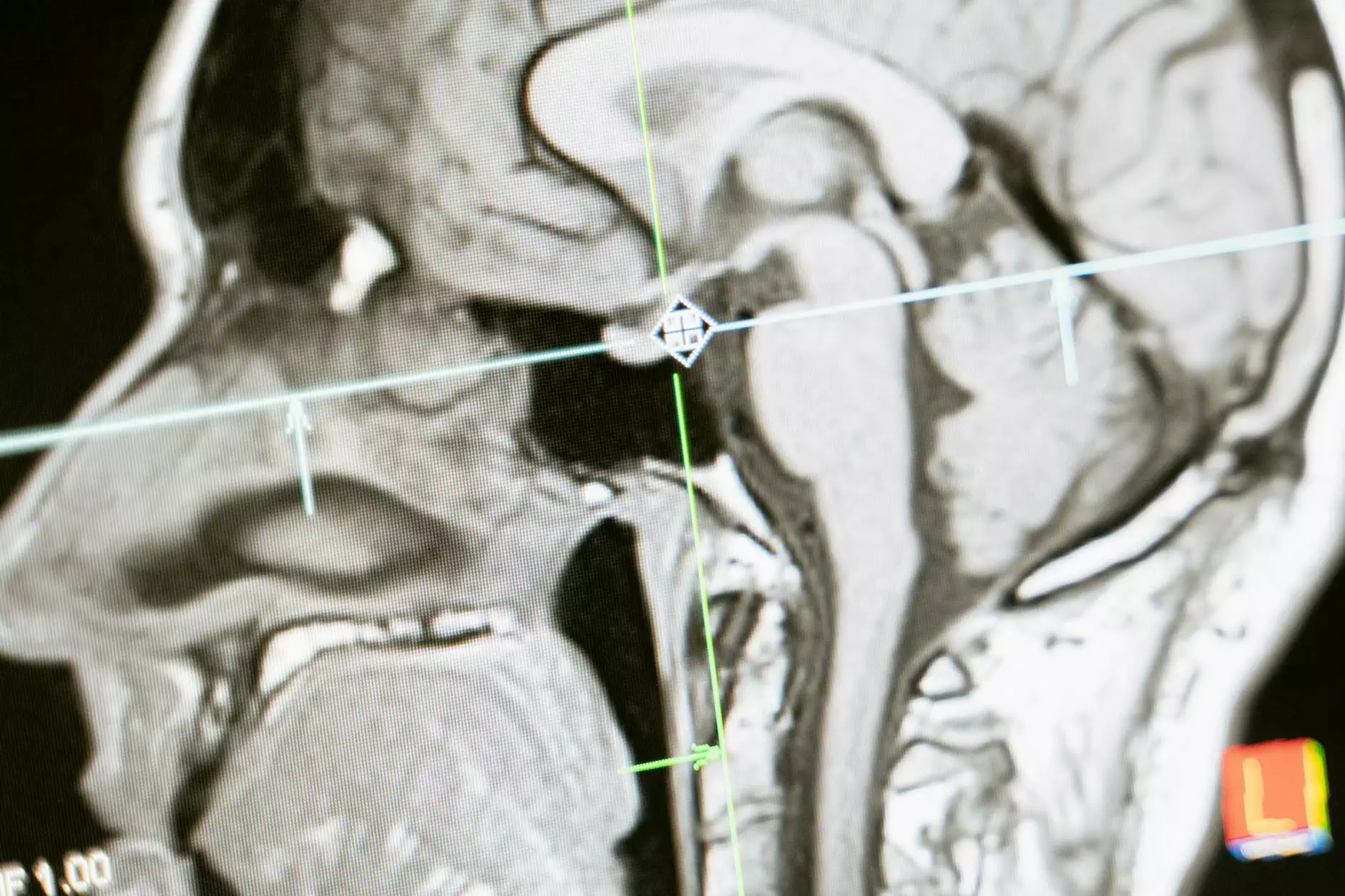
Mental health and cognitive well-being are crucial components of a fulfilling life. At Mind Care Neuroscience, the intersection of neuroscience and mental health measures creates a robust platform for individuals seeking to enhance their cognitive functions and overall well-being.
Understanding Neuroscience and Its Impact on Mental Health
Neuroscience is the scientific study of the nervous system, encompassing a variety of disciplines, including anatomy, physiology, and psychology. It aims to understand how our brain functions, our thoughts and emotions, and how these aspects influence our behavior. The insights gained from neuroscience can be transformative, offering a deeper understanding of mental health disorders, enhancing therapy methods, and innovating treatments.
The Link Between Brain Function and Emotional Wellness
Healthy brain function is directly correlated with emotional well-being. When we think of the brain, we often think of its role in processing information, but it also governs our mental states. Conditions like anxiety, depression, and PTSD can alter brain function significantly.
- Neuroplasticity: This refers to the brain's ability to adapt and reorganize itself. Positive experiences and therapeutic interventions can reshape neural pathways, leading to improved mental health outcomes.
- Brain Chemistry: Neurotransmitters like serotonin and dopamine play a critical role in our mood and emotional state. Understanding these chemicals can aid in developing targeted therapies.
- Stress Response: Chronic stress negatively impacts brain function, causing issues such as memory loss and reduced cognitive flexibility.
Innovative Treatments at Mind Care Neuroscience
At Mind Care Neuroscience, a range of innovative treatments are employed to leverage neuroscientific principles, offering patients individualized care paths.
Neurofeedback Therapy
Neurofeedback is a revolutionary treatment that uses real-time displays of brain activity to teach self-regulation of brain function. This feedback allows clients to see their brain waves and make adjustments to achieve desired mental states.
Benefits of Neurofeedback:
- Improved focus and concentration: Balances brain wave activity to enhance cognitive performance.
- Reduced anxiety and stress: Encourages healthy brain patterns that promote calmness and emotional stability.
- Enhanced sleep quality: Trains the brain to achieve deeper, more restorative sleep.
Cognitive Behavioral Therapy (CBT)
CBT is a widely recognized therapeutic approach that helps individuals understand the links between their thoughts, emotions, and behaviors. It empowers them to change negative thought patterns and behaviors to improve emotional well-being.
Core Principles of CBT:
- Awareness: Clients learn to identify and recognize problematic thought patterns.
- Restructuring: Challenging negative thoughts and beliefs to foster a healthier mindset.
- Behavioral Changes: Encouraging active participation in behaviors that promote well-being.
Scientific Research and Evidence at Mind Care Neuroscience
Research underpinning the practices at Mind Care Neuroscience is extensive and ongoing. The center prioritizes evidence-based methodologies and continually seeks new insights into mental health and cognitive function.
Clinical Studies and Findings
Numerous clinical studies have validated the efficacy of both neurofeedback and CBT in treating various mental health conditions. Research indicates improved symptoms for individuals experiencing anxiety, attention disorders, and mood disturbances as a result of these therapies.
Recent Findings:
- Studies demonstrate that neurofeedback can reduce the symptoms of ADHD.
- Research indicates significant improvement in anxiety symptoms after CBT intervention.
- Evidence suggests that neurofeedback helps regulate emotional responses in individuals with PTSD.
Holistic Approach to Mental Wellness
Beyond technological and psychological interventions, Mind Care Neuroscience emphasizes a holistic approach to mental wellness.
Wellness Strategies
Integrating daily lifestyle changes can significantly impact mental health. Here are practical strategies that clients are encouraged to adopt:
- Mindfulness and Meditation: Regular practice can reduce stress and enhance emotional regulation.
- Physical Exercise: Engaging in regular physical activity is known to boost mood and cognitive function.
- Nutritional Considerations: A balanced diet rich in omega-3 fatty acids, antioxidants, and vitamins is crucial for brain health.
Community and Support at Mind Care Neuroscience
Building a supportive community is vital for sustaining mental health. At Mind Care Neuroscience, clients find not only professional guidance but also a nurturing environment.
Support Groups and Workshops
Participation in support groups can foster connections and provide shared experiences among individuals facing similar challenges. Workshops related to mental health topics also empower clients with knowledge and skills.
Advantages of Community Involvement:
- Shared Experiences: Enhancing the feeling of belongingness and reducing isolation.
- Skill Development: Learning coping strategies from peers and professionals.
- Accountability: Creating a motivated and supportive network that encourages personal growth.
Conclusion: Empowering Lives Through Neuroscience
In conclusion, the work done at Mind Care Neuroscience represents a significant advancement in fields dedicated to mental health and neuroscience. Through innovative therapies, solid research foundations, and a holistic approach to well-being, the center is empowering individuals to take charge of their mental health effectively.
As we move forward in understanding the complex nature of our minds, Mind Care Neuroscience stands at the forefront, ready to guide and support those on their journey to mental wellness.
https://www.mindcareneuroscience.com.au