The Essential Guide to Understanding Brokerage and Fraud Complaints
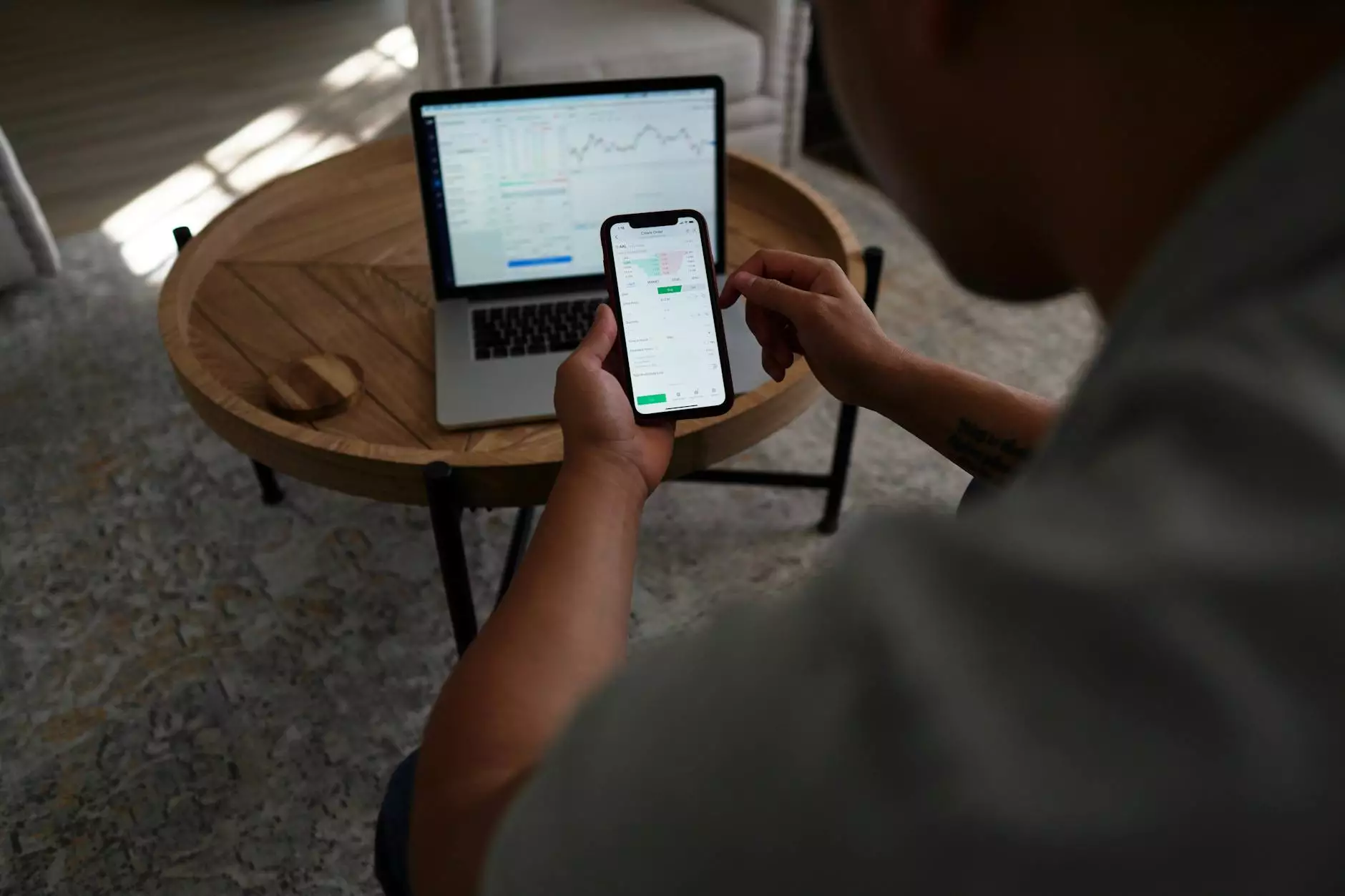
In today's complex financial landscape, understanding how to navigate the world of brokerage services, and the potential risks associated with them, is essential for investors and traders alike. This guide aims to provide a comprehensive understanding of broker reviews, broker scam reports, and how to address fraud complaints. Our ultimate goal is to help you make informed decisions while trading online.
Understanding Brokerages: What You Need to Know
A brokerage acts as an intermediary between buyers and sellers in financial markets. These firms enable clients to purchase and sell various financial instruments, including stocks, bonds, mutual funds, and more. The following are some critical aspects to consider when evaluating a brokerage:
- Types of Brokerages: There are several types of brokerages, including full-service brokers, discount brokers, and online brokerages. Each serves a different purpose and caters to distinct segments of the market.
- Regulatory Compliance: Reputable brokerages must adhere to regulations set by governing bodies such as the SEC (Securities and Exchange Commission) and FINRA (Financial Industry Regulatory Authority). Understanding these regulations can help you choose a compliant brokerage.
- Fee Structures: Different brokerages have various fee structures, including commission-based, spread-based, and flat fees. Determining which fee structure aligns with your trading patterns is crucial.
The Importance of Broker Reviews
Broker reviews play a vital role in the decision-making process for potential investors. They provide insights into the experiences of other traders and can highlight both positive and negative aspects of particular brokerages. Here are a few points to consider when reading broker reviews:
Characteristics of Reliable Broker Reviews
Identifying trustworthy broker reviews can be challenging. Here are some essential characteristics to look for:
- Transparency: Authentic reviews should disclose potential conflicts of interest or affiliations with the brokerage.
- Detailed Experiences: Good reviews offer a comprehensive overview of the user’s experience, detailing aspects such as customer service, ease of platform use, and withdrawal processes.
- Multiple Sources: Cross-referencing reviews from various websites can provide a holistic view of the brokerage’s reputation.
How to Use Broker Reviews Effectively
To maximize the benefits of broker reviews, consider the following tips:
- Look for Patterns: A few negative reviews may not necessarily indicate a poor brokerage. Look for consistent patterns in feedback.
- Check the Date: Ensure that the reviews are recent to get the latest information about the brokerage’s performance.
- Personalize Reviews: Remember that experiences may vary based on individual trading strategies and preferences.
Recognizing Broker Scam Reports
Sadly, the trading realm is not without its share of fraudulent activities. Understanding how to identify broker scams is crucial to protecting your investments. Here are several warning signs that may indicate a fraudulent broker:
Common Signs of Broker Scams
- Unlicensed Operations: Always verify that your brokerage is licensed and regulated by a recognized authority. If they are not, it’s a significant red flag.
- Too-Good-to-Be-True Promises: Be cautious of brokers who assure unrealistic returns or profits. In the world of trading, high returns come with high risks.
- Poor Customer Service: Legitimate brokers typically have responsive customer service. Lack of support can indicate potential issues.
- Pressure Tactics: If a broker tries to rush you into decisions or investments, this could be a sign of a scam.
How to File a Fraud Complaint
If you suspect fraud or have had a negative experience with a brokerage, filing a fraud complaint is a necessary step in seeking resolution. Here's a step-by-step guide:
Steps to Filing a Fraud Complaint
- Gather Documentation: Collect all relevant documentation such as account statements, correspondence, and transaction records.
- Identify the Regulatory Body: Determine which regulatory body oversees the brokerage in question. For example, in the United States, you may contact organizations like the SEC or FINRA.
- Submit Your Complaint: Use the regulatory body’s complaint form, providing detailed information about your situation.
- Follow Up: Ensure you follow up on your complaint to track its status and ensure that it’s being addressed.
Where to Report Broker Fraud
In addition to regulatory bodies, you might also consider reporting to consumer protection agencies and other organizations dedicated to combating fraud. Some of these include:
- The Better Business Bureau (BBB): A resource for reporting businesses engaged in deceptive practices.
- Consumer Financial Protection Bureau (CFPB): Focuses on helping consumers dealing with financial services companies.
Best Practices for Investors to Avoid Fraud
Protecting yourself from brokerage fraud involves proactive measures and informed decision-making. Here are some best practices:
Research and Due Diligence
Always conduct thorough research before investing. Utilize resources like https://fraudcomplaints.net/ to review broker experiences, understand the regulatory landscape, and assess market conditions.
Educate Yourself Continuously
The financial landscape is continually evolving. Staying educated about market trends, new regulations, and updated trading strategies can greatly enhance your investing acumen.
Utilize Demo Accounts
Many reputable brokerages offer demo accounts with simulated trading environments. This allows you to become familiar with the trading platform without risking real money. It’s an excellent way to practice your strategies and gauge a brokerage's functionality.
Conclusion: Empowering Your Business Decisions
In summary, understanding broker reviews, recognizing potential fraud, and knowing how to address fraud complaints is crucial for anyone engaging in trading activities. By leveraging resources like https://fraudcomplaints.net/, investors can equip themselves with the knowledge needed to make informed and confident trading decisions.
We hope this guide serves as a valuable tool in your journey through the world of investments, helping you mitigate risks and enjoy the benefits of informed trading practices.