Understanding Local Dental Implants: A Comprehensive Guide
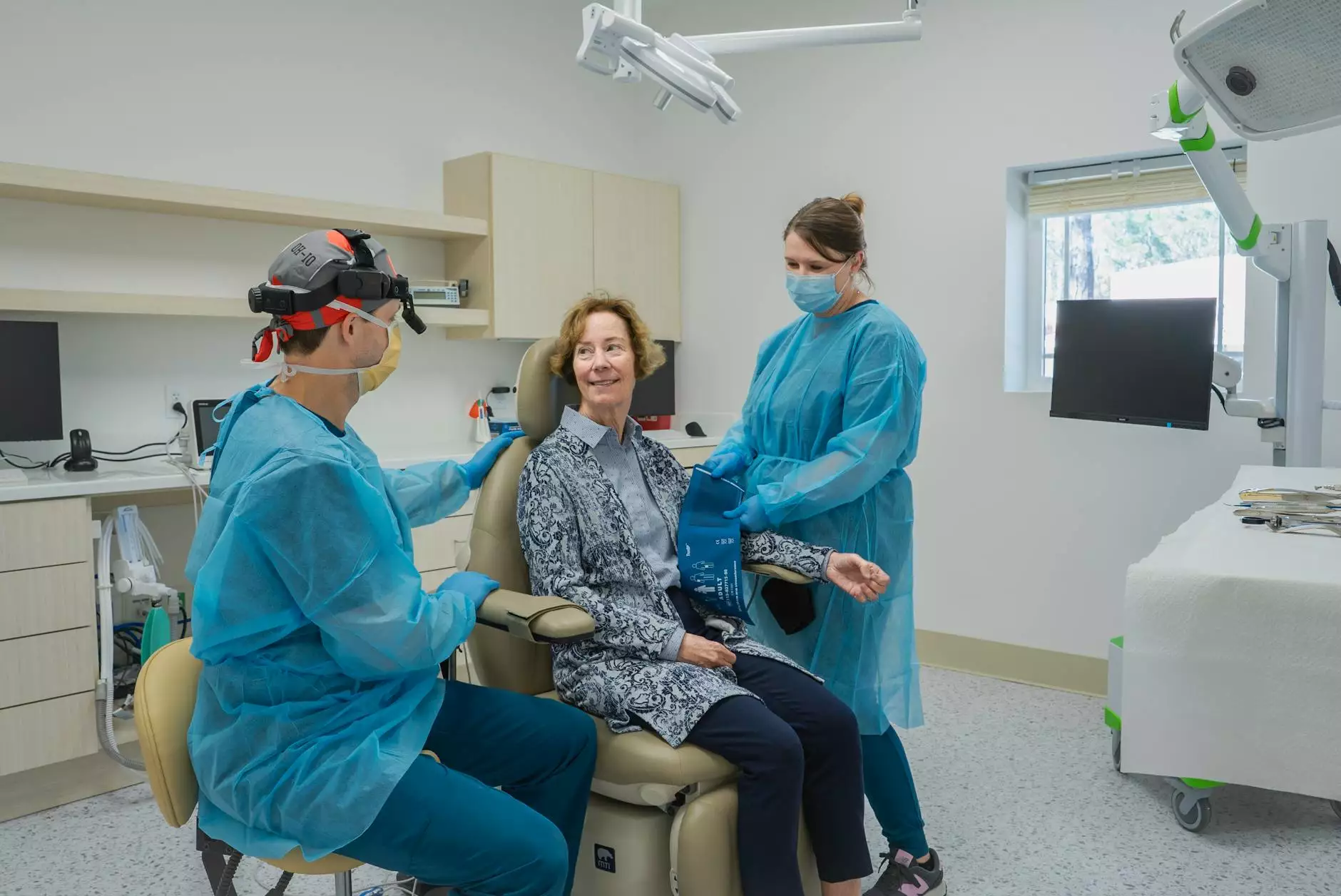
Dental implants have revolutionized the field of dentistry, providing a permanent solution for those with missing teeth. As the demand for dental implants continues to rise, more individuals are exploring options for local dental implants. This article aims to provide a detailed overview of local dental implants, their benefits, factors influencing their success, and essential considerations while choosing the right dental clinic.
What are Dental Implants?
Dental implants are titanium posts that serve as artificial tooth roots, surgically placed into the jawbone. Over time, these implants fuse with the bone through a process called osseointegration, providing a solid foundation for replacement teeth, crowns, or bridges.
Benefits of Local Dental Implants
Choosing local dental implants comes with a multitude of advantages:
- Permanence: Unlike dentures, implants are designed to last a lifetime with proper care.
- Natural Appearance: Implants look, feel, and function like natural teeth.
- Bone Preservation: They help maintain jawbone density, preventing further bone loss.
- Improved Oral Health: They do not require the alteration of adjacent teeth as bridges do.
- Enhanced Confidence: Implants restore your smile, boosting self-esteem.
Types of Dental Implants
There are several types of dental implants available, designed to meet the diverse needs of patients:
1. Endosteal Implants
These are the most common type of dental implants, placed directly into the jawbone. They can hold one or multiple teeth.
2. Subperiosteal Implants
Ideal for patients with insufficient bone height, subperiosteal implants are placed under the gum but above the jawbone.
3. Zygomatic Implants
These are placed in the cheekbone instead of the upper jawbone and are suitable for patients with severe bone loss.
Understanding the Cost of Local Dental Implants
The cost of local dental implants can vary significantly based on several factors:
- Location: Prices differ from one region to another, with urban areas typically being more expensive.
- Type of Implant: The material used and the type of implant chosen will also affect pricing.
- Restoration Costs: Costs incurred for crowns, bridges, and other restorations must be factored in.
- Dental Condition: Additional procedures, such as bone grafting, may be necessary, impacting total costs.
Factors Influencing the Success of Dental Implants
To ensure the success of your local dental implants, several factors must be considered:
- Bone Density: Adequate bone mass is essential for implant stability.
- Oral Hygiene: Maintaining good dental hygiene can enhance the longevity of implants.
- Overall Health: Conditions such as diabetes and smoking can impede healing and increase failure risk.
- Experience of the Dentist: Skilled professionals ensure better outcomes and fewer complications.
The Process of Getting Dental Implants
Obtaining local dental implants is typically a multi-step process:
1. Initial Consultation
Your journey begins with an initial consultation where your dentist will assess your oral health, determine if dental implants are appropriate, and discuss the process and costs involved.
2. Preparation
If necessary, you may undergo procedures like bone grafting or sinus lifting to prepare your jaw for the implant.
3. Implant Placement
The implant is surgically inserted into the jawbone, following which a healing period is required.
4. Abutment Placement
Once healing is complete, an abutment is placed on the implant to hold the crown.
5. Crown Placement
The final step involves attaching the crown to the abutment, completing your treatment.
Choosing the Right Dental Clinic for Local Dental Implants
Choosing the right clinic for your dental implant procedure is critical. Here are some essential tips:
- Research Credentials: Look for clinics with certified implant dentists with experience in the field.
- Read Reviews: Patient testimonials can provide insight into the clinic’s reputation.
- Understand the Technology: Clinics with advanced technology usually offer better diagnostic and treatment options.
- Ask About Aftercare: Ensure the clinic provides follow-up care and support after your procedure.
Potential Risks and Complications
While local dental implants have a high success rate, they are not without risks. Possible complications can include:
- Infection: Surgical sites may become infected if proper aftercare is not followed.
- Nerve Damage: In rare cases, nerve damage can occur during placement, resulting in numbness or pain.
- Sinus Issues: Implants in the upper jaw can sometimes protrude into the sinus cavity.
Maintaining Oral Health Post-Implant
To ensure the longevity of your local dental implants, follow these maintenance tips:
- Daily Hygiene: Brush and floss daily to prevent plaque buildup.
- Regular Checkups: Schedule regular dental visits for cleaning and assessments.
- Avoid Smoking: Smoking can significantly affect healing and implant success.
The Future of Local Dental Implants
The field of dental implants is always evolving, with ongoing research and technological advancements. Future developments may include:
- Bioactive Implants: New materials that encourage faster healing and integration.
- 3D Printing: Custom implants tailored to individual patient needs.
- Regenerative Techniques: Using stem cells to promote bone growth in implant procedures.
Conclusion
Local dental implants represent a significant advancement in restorative dentistry. With numerous benefits, a range of types, and a generally high success rate, they are becoming the go-to solution for those facing tooth loss. However, it is essential to choose the right clinic and follow through with proper care and maintenance. As technology progresses, the future of dental implants looks promising, heralding enhancements that could improve outcomes even further.